
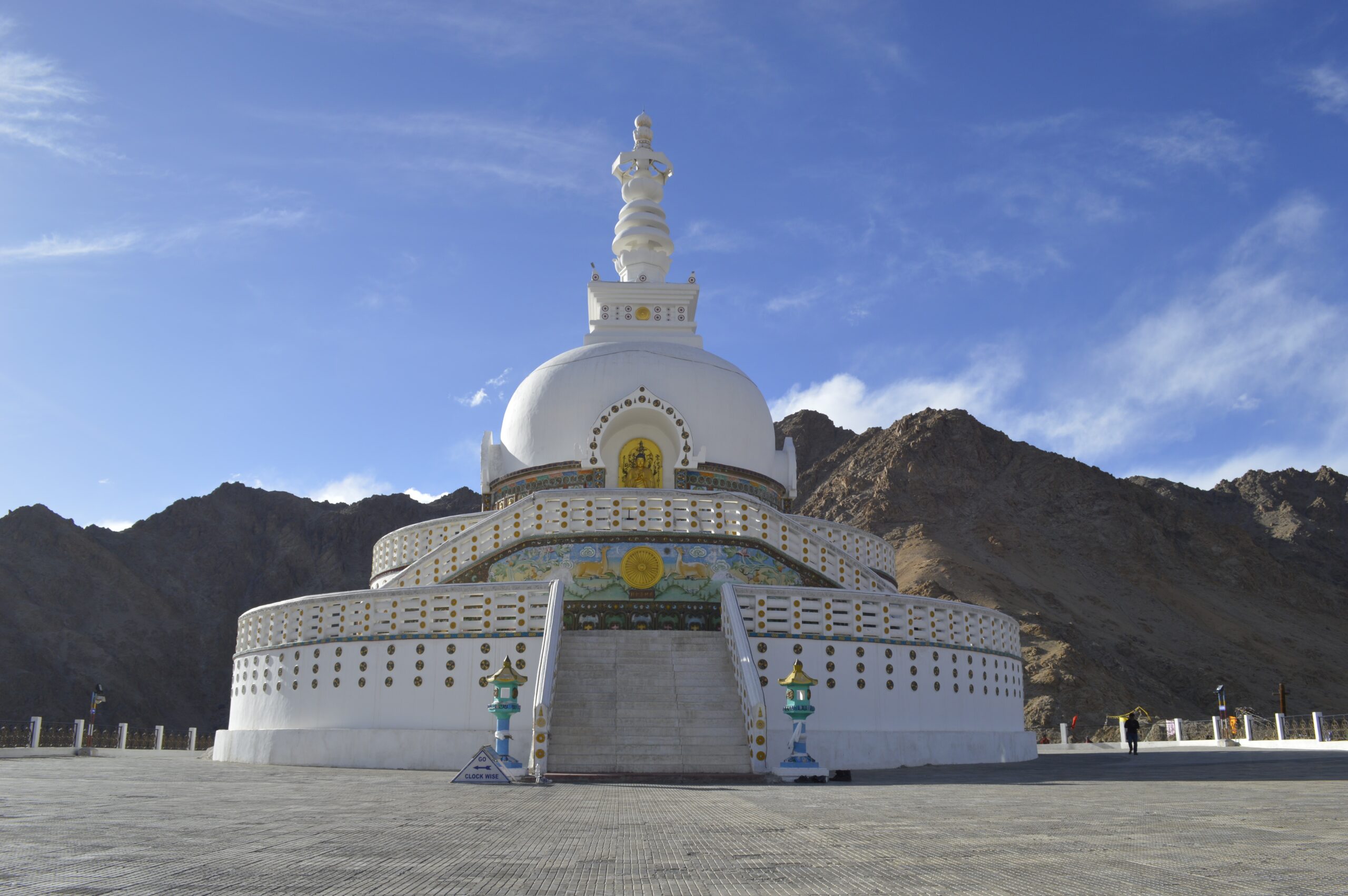
Leh-Ladakh is a stunning high-altitude cold desert region in North India, known for its dramatic landscapes, Buddhist monasteries, high mountain passes (like Khardung La), and unique Tibetan-influenced culture; Leh serves as the capital and main town, offering access to attractions like Pangong Lake, Nubra Valley, and ancient monasteries such as Thiksey, with travel typically involving acclimatization due to the extreme altitude.
Key Aspects:
Geography: A vast, mountainous terrain with barren beauty, high-altitude lakes (Pangong Tso), and valleys like Nubra.
Capital: Leh is the largest city and joint capital, serving as the hub for tourists and administration.
Culture: Rich Tibetan Buddhist heritage, seen in its monasteries (Thiksey, Hemis, Shey) and vibrant local life.
Altitude: Extremely high, requiring visitors to acclimatize gradually to avoid altitude sickness.
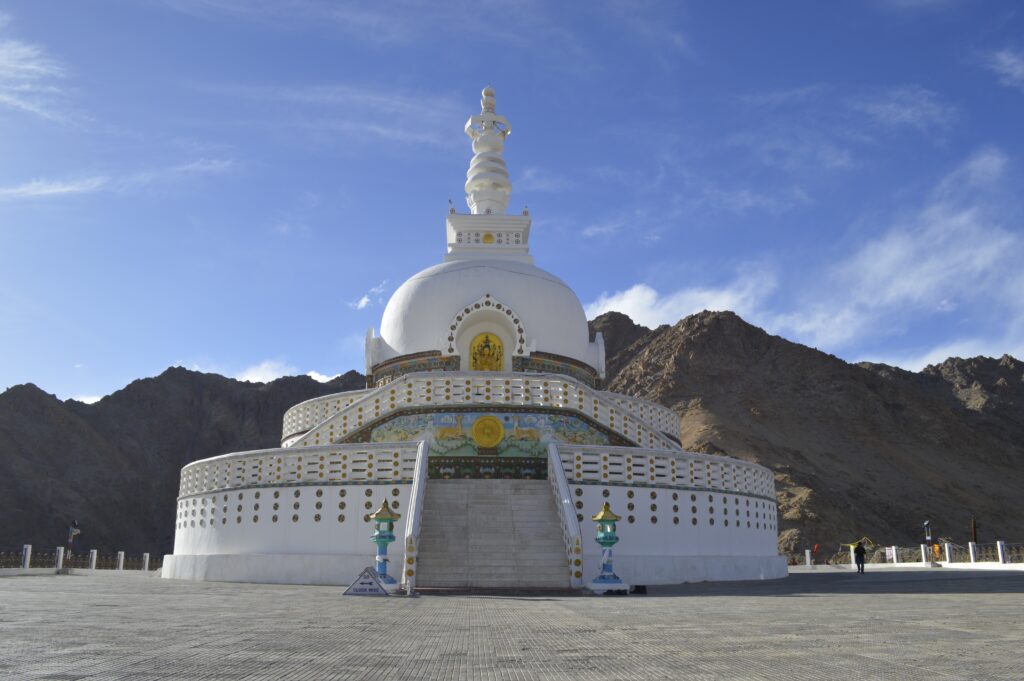
Attractions: Monasteries, high passes (Khardung La), Indus-Zanskar river confluence, Shanti Stupa, Magnetic Hill.
Planning a Trip:
Best Time: Summer (April-July) offers pleasant temperatures (15-30°C) for travel, though it’s cold most of the year.
Getting There: Fly into Leh or drive via challenging but scenic routes from Manali or Srinagar.
Acclimatization: Crucial; allow a day or two in Leh upon arrival to adjust.
Getting Around: Walk in Leh town, but hire taxis or join tours for sightseeing.
Why Visit?
It’s a destination for adventure seekers, spiritual explorers, and nature lovers, offering otherworldly landscapes, spiritual experiences, and a glimpse into a distinct mountain culture, often called “Little Tibet” or India’s “Moonland”

1 Comment
Hi, this is a comment.
To get started with moderating, editing, and deleting comments, please visit the Comments screen in the dashboard.
Commenter avatars come from Gravatar.